
Meet the Corps: Michelle Brown on Becoming the Person She Needed
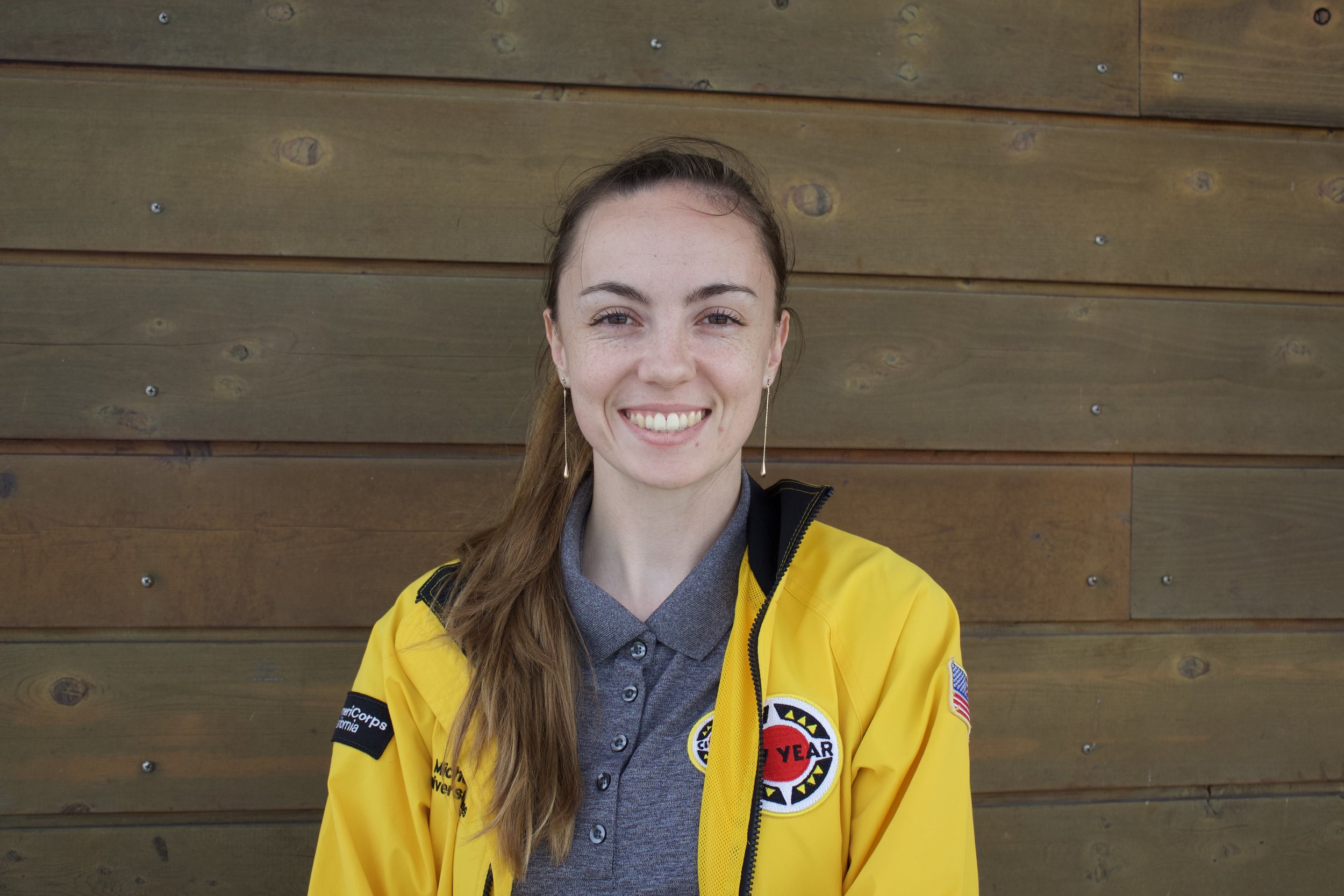
There's no single way to describe a year with City Year — but for AmeriCorps member Michelle Brown, one word captures it best: rewarding.
Michelle didn't arrive at City Year by accident. Growing up with dyslexia, she moved through school wishing someone would show up for her the way she struggled to show up for herself. That experience didn't just inform her decision to serve — it became her mission. A year later, she's leaving with a deeper sense of purpose, a more resilient sense of self, and a collection of small-but-mighty memories that remind her why the work matters.
In this conversation, Michelle reflects on the challenges that sharpened her, the students who inspired her, and what she'd tell anyone standing at the edge of a year of service.
Q: If you had to describe your year with City Year in one word, what would it be?
"Rewarding. This year has been filled with moments where students pushed themselves, grew, and accomplished things they once thought were out of reach. Being able to support them and witness that progress firsthand has been incredibly meaningful."
Q: How did you find your way to City Year?
"I first learned about City Year at a job fair in college."
But for Michelle, this wasn't just a career opportunity — it was personal.
"As someone with dyslexia who struggled throughout school, I always wished I had more support in the classroom."
That experience became a compass. Rather than moving past those difficult years, Michelle turned them into motivation.
"That experience inspired me to become the person I needed when I was younger — someone who shows up, encourages, and helps students feel capable and confident."
Q: What's one challenge you faced this year — and how did you grow through it?
"A challenge I faced was learning how to collaborate effectively with teachers, staff, and my City Year team while balancing different communication styles and expectations."
It's a challenge that might sound straightforward — until you're navigating the real complexity of a school environment with its many moving parts, competing priorities, and diverse personalities.
"It pushed me to become a better listener, a more proactive communicator, and someone who can adapt to different working styles."
Q: What would you tell new corps members about navigating the year?
"Be flexible and expect change. I've learned that while there's a 'normal' schedule, it can shift from day to day — even hour to hour."
For Michelle, that adaptability isn't just a survival skill. It's the mindset that makes everything else possible.
"Being adaptable and open-minded makes the experience smoother and helps ACMs stay grounded when things get unpredictable."
Q: How does it feel as you close out the year with your students?
"It's definitely bittersweet. I've spent a year growing and learning alongside them, and I've watched them overcome challenges and make real progress."
The pride is real — and so is the difficulty of saying goodbye.
"They've been such a big part of my daily life that saying goodbye is hard."
But what Michelle carries forward isn't just the endings. It's the accumulation of small victories that no standardized measure could ever capture.
"There were so many small wins throughout the year — moments when students proudly shared something they mastered or showed growth in an area they once struggled with. Those moments reminded me that progress doesn't always come in big leaps. Sometimes it's the small steps that matter most."
Q: What advice would you give yourself at the start of the year?
"Be patient. Growth takes time, and students develop skills at their own pace. Don't expect big changes right away — trust the process, stay consistent, and celebrate the small steps forward."
Q: For someone considering a year of service, what would you say?
Michelle doesn't sugarcoat it.
"I'll be honest — it's long, it's challenging, and it will push you."
But she's equally direct about what's on the other side of that difficulty.
"You'll walk away knowing you made a real impact in students' lives. I told my team this year: if you can do this job, you can handle anything life throws at you. The experience builds resilience, empathy, and confidence in a way few other jobs can."
Q: Anything else you want to share?
"I'm grateful for the relationships I built this year — with students, teammates, and staff. City Year has shown me the power of showing up consistently for young people and the difference that one supportive adult can make."
For Michelle, that's not just a reflection on the year. It's a commitment to what comes next.
"I'm leaving this year with a deeper sense of purpose and a stronger commitment to advocating for students who need that extra support."