Alumni Spotlight Luke Quesnell
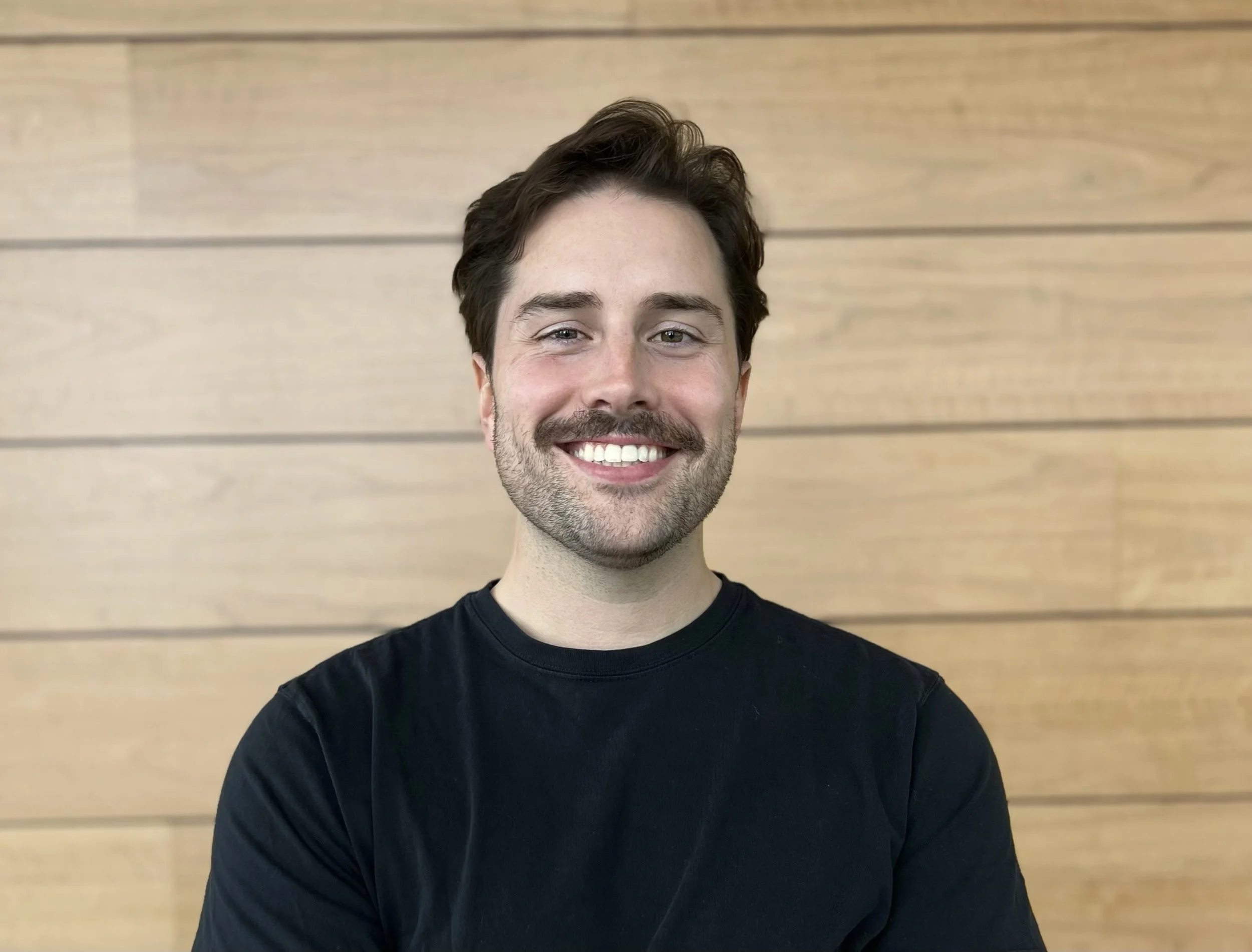
This month we caught up with Luke Quesnell, a 2011 & 2016 Bay Area alumni. Now working in Key Accounts at Hyperbound, Luke reflects on how the City Year experience shaped his perspective, career, and lifelong connection to students. Check out his video on Instagram where he reveals what he learned from the students during his City Year.
Q: What made you want to sign up for City Year in the first place?
A: I knew that I didn’t want to attend college directly after high school because I wanted an academic break. My original career goal was to become a teacher, so when I randomly saw a City Year commercial on TV late at night, I knew I wanted to serve for a year and gain life experience from an education and teaching perspective before heading back to school.
Q: What are some of your first memories of your City Year experience?
A: Moving across the country from Connecticut to California at 18 was a shock to the system, as I was experiencing a much different world in many ways (weather, culture, etc.). My first true memory is having my front bike tire stolen outside of the City Year office (when it used to be downtown) during the first week of training, which meant I walked 30+ blocks back to my apartment with one wheel and a lot of eyes watching me as I passed by.
There was a father and son playing in Roosevelt Community Park, and when the man noticed me, he asked, “Are you new here?” When I responded yes, I had just moved here a week ago, he said, “I’m sorry that happened to you. There are some rough parts of San Jose, but there’s a lot of good too.”
I went on my way after that brief exchange, but it ended up being a reflection of my first City Year year, and I still laugh at how poor my “street smarts” were back then.
Q: During your time with City Year, what training or experiences prepared you for your career journey?
A: Compartmentalization. A day in a City Year school is a whirlwind to the point where you are always forgetting what time it is. Going from a tutoring session, to lesson planning, to breaking up a fight, mentoring a student who isn’t having a great day, and then engaging in a team exercise requires a lot of mental bandwidth.
This means you have to put things “away” in your mind and process them later in the day when you have the mental capacity to do so (usually when the day is done).
My career is in sales, which requires the ability to handle emotional ups and downs on a daily basis. The key is to focus on what’s in front of you and process previous moments later in the day through reflection.
Q: What did you learn during your experience that was new or surprising to you?
A: In both of my City Year experiences, everything you thought you knew was wrong. This can be about yourself, what you thought about the education system, or even how a kid is “supposed” to act.
You learn something new every single day, and as the year progresses, you find yourself cherishing the good and bad moments because you start to realize that you’re never going to be the same person you were when you joined by the time you graduate—in a good way.
Q: What was your favorite thing about your City Year experience?
A: The students—100%. I’m so thankful that I was able to serve another year after college, as many of the students I had in 2011 (elementary students) ended up being my City Year students again in 2016 at the neighboring middle school. It was such a full-circle life moment that it’s still hard to believe it happened.
Q: What advice would you give to young adults considering a year of service with City Year?
A: DO IT. Anytime I talk about my service years, I always tell people they were two of the greatest years of my life. It’s so rare to be around a group of young adults who willingly go through some tough days to improve our education system. You’ll learn more about yourself—and about the state of our government and cultural systems—than you ever could from a traditional job or classroom.